
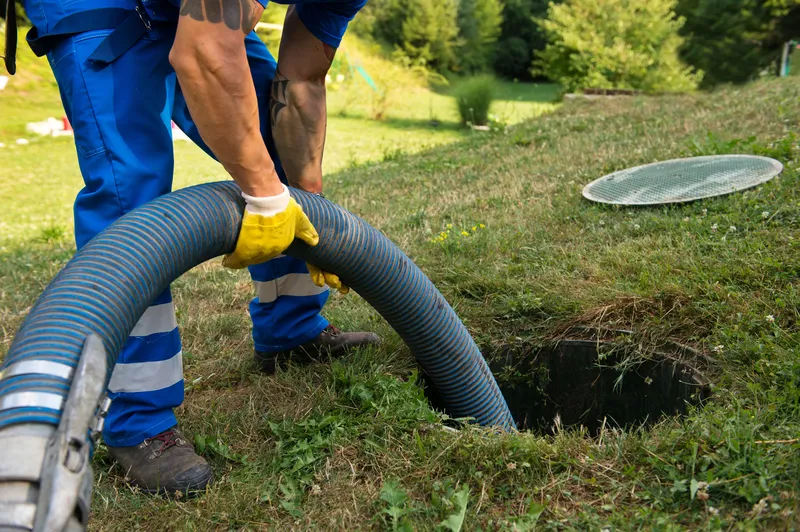
Routine septic maintenance can help Georgetown property owners avoid unpleasant odors, slow drains, sewage backups, and costly system damage. In most cases, septic tank pumping in Georgetown, TX is recommended every three to five years. However, the right schedule for your property depends on your household size, tank capacity, water use, system type, and maintenance history.
At Zigco, we help residential and commercial property owners in Georgetown and surrounding Central Texas communities understand their septic systems and maintain them before serious problems develop.
How Often Should a Septic Tank Be Pumped?
Most residential septic tanks should be pumped approximately every three to five years. This is a general guideline rather than a fixed rule for every property.
A smaller tank serving a large household may need pumping every two or three years. A larger system serving only one or two people may be able to go longer between services. The safest approach is to combine a regular septic pumping schedule with professional inspections.
Waiting until the system backs up is not an effective maintenance strategy. By that point, solids may already have entered the outlet pipe or affected the drain field.
A qualified technician can measure the amount of sludge and scum inside the tank and recommend a suitable septic tank pumping frequency based on the actual condition of your system.
What Determines How Often Your Septic Tank Needs Pumping?
Several factors affect how often to pump a septic tank. Understanding them can help you plan maintenance more accurately.
Household Size
The number of people using the property directly affects how quickly wastewater and solids enter the tank. A home with five or six occupants will generally require more frequent pumping than a similar home occupied by one or two people.
Guests, rental tenants, and changes in household size can also alter your normal maintenance schedule.
Septic Tank Size
Septic tanks come in different capacities. A small tank fills with sludge and scum faster than a larger tank serving the same number of people.
The tank’s size should match the property’s expected wastewater use. If your system is undersized for your household, you may need more frequent residential septic pumping.
Daily Water Usage
Heavy water use can put additional strain on a septic system. Multiple loads of laundry in one day, long showers, leaking toilets, and frequently running dishwashers can send large volumes of water into the tank.
Excess water may reduce the amount of time solids have to settle before wastewater moves toward the drain field.
Garbage Disposal Use
Garbage disposals send food particles and additional organic material into the septic tank. Frequent use can increase solid accumulation and shorten the time between pumping visits.
Composting or disposing of food waste in the trash can reduce unnecessary pressure on the system.
System Type and Condition
Some septic systems contain pumps, floats, alarms, filters, or treatment components that require closer monitoring. An older system or one with damaged components may also need more frequent inspection and service.
Professional septic system maintenance can identify problems before they turn into expensive repairs.
Recommended Septic Pumping Schedule for Georgetown Homes
The following ranges can help homeowners estimate when service may be needed:
| Property or system condition | Suggested planning range |
| One or two occupants with moderate water use | Every 4–5 years |
| Average family household | Every 3–5 years |
| Large household or heavy water use | Every 2–3 years |
| Frequent garbage disposal use | Inspect and pump sooner |
| Unknown maintenance history | Schedule an inspection promptly |
| Commercial or high-use property | Follow a customized schedule |
These estimates should not replace an inspection. Tank size, system design, sludge level, property usage, and previous maintenance can all change the recommended interval.
What Are the Signs Your Septic Tank Needs Pumping?
Do not wait for a complete system failure before calling a local septic professional. Several warning signs may indicate that your septic tank needs pumping or that another component requires attention.
Slow Drains Throughout the Property
One slow sink may indicate a local plumbing clog. However, several slow drains throughout the home can point to a larger septic or sewer problem.
Gurgling Toilets
Gurgling noises from toilets or drains may occur when wastewater is not moving through the system correctly. These sounds should be investigated, especially when they appear with slow drainage.
Sewage Odors
Strong sewage or rotten-egg odors near drains, the septic tank, or the drain field can indicate a full tank, ventilation issue, leak, or system malfunction.
Standing Water or Soggy Ground
Unusually wet soil or pooling wastewater near the tank or drain field may indicate that the system is overloaded or failing to process wastewater properly.
Sewage Backup or Septic Alarm
A sewage backup requires urgent professional attention. Similarly, an activated septic alarm may indicate a high water level, pump failure, electrical issue, or another system problem.
These symptoms do not always mean the tank simply needs pumping. A professional inspection can determine the real cause.
What Happens If You Wait Too Long to Pump the Tank?
As wastewater enters a septic tank, solids settle at the bottom as sludge while grease and lighter materials form a scum layer near the top. Over time, these layers become thicker.
When the tank is not pumped, solids can reach the outlet pipe and move toward the drain field. This can clog the soil and prevent wastewater from being absorbed properly.
Delayed maintenance may lead to:
- Sewage backups inside the building
- Foul odors around the property
- Wet or contaminated soil
- Damaged pumps and filters
- A clogged drain field
- Expensive septic repair or replacement
Regular pumping is an important form of preventive septic maintenance. It costs far less than replacing a damaged drain field or installing a new system.
What Happens During Professional Septic Tank Pumping?
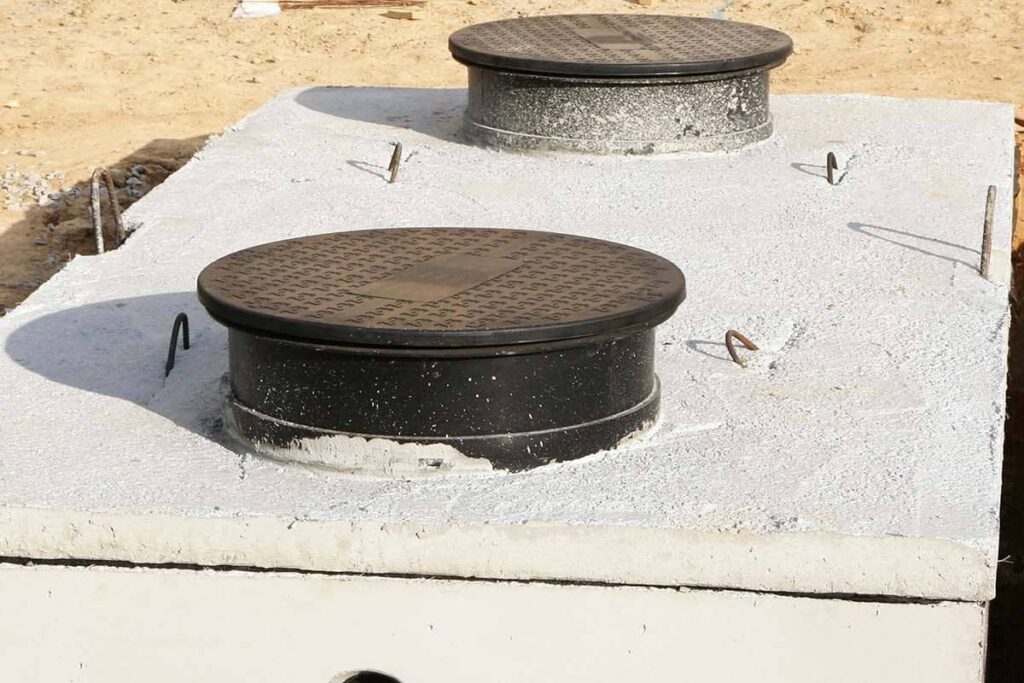
A professional pumping visit normally begins with locating the tank and safely opening the access lids. A vacuum truck is then used to remove wastewater, sludge, and floating scum.
The technician may also inspect accessible components such as:
- Tank lids
- Inlet and outlet baffles
- Effluent filters
- Pumps and floats
- Visible pipes
- Alarm components
After the tank is emptied, the technician can explain any visible concerns and suggest when the next service should be scheduled.
Professional pumping also helps ensure that septic waste is transported and disposed of using appropriate equipment and approved procedures.
How Can You Reduce Septic Problems Between Pumping Visits?
Good habits can extend the life of your system and reduce the risk of emergency service.
Spread laundry loads throughout the week instead of washing everything in one day. Repair leaking faucets and toilets quickly. Avoid flushing wipes, paper towels, hygiene products, grease, chemicals, or other materials that do not break down easily.
You should also limit garbage disposal use, keep vehicles and heavy equipment away from the drain field, and avoid planting deep-rooted trees near septic components.
Keep records of inspections, pumping visits, repairs, and system locations. These records are especially helpful when selling the property or planning renovations.
Frequently Asked Questions About Septic Tank Pumping
Can a Septic Tank Go 10 Years Without Being Pumped?
Some lightly used systems may appear to function for many years, but going 10 years without an inspection or pumping can be risky. Solids may accumulate gradually and damage the drain field without obvious warning signs.
Does a Septic Tank Need to Be Pumped Every Year?
Most average households do not need annual pumping. However, commercial properties, large households, small tanks, and high-use systems may require more frequent service.
How Long Does Septic Tank Pumping Take?
The process often takes a few hours or less, but timing depends on tank accessibility, size, number of compartments, waste volume, and whether the lids must be located or uncovered.
Should You Pump a Septic Tank After Buying a Home?
Review the property’s septic maintenance records first. When the pumping history is missing or unclear, arranging an inspection and possible pump-out can provide a reliable starting point for future maintenance.
Schedule Septic Tank Pumping With Zigco
Do not wait for sewage odors, gurgling toilets, slow drains, or wastewater backups to reveal an overdue septic tank.
Contact Zigco for professional septic tank pumping in Georgetown, TX, septic inspections, cleaning, repairs, installation, and preventive maintenance for residential and commercial properties.
- Phone: (512) 931-2200
- Email: sales@Zigco.com
- Address: Georgetown, TX 78626
- Zigco on Google Maps
Call Zigco today or request a free quote to create a septic maintenance schedule that fits your property and system.