
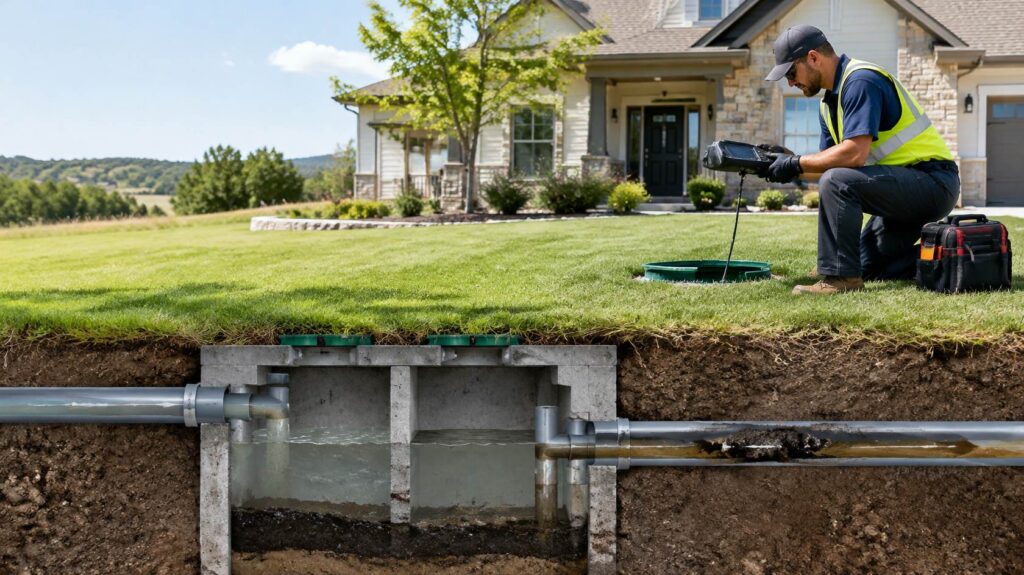
Slow drains can be frustrating, especially when your sinks, toilets, or showers take longer than usual to empty. While the problem may seem like a minor plumbing issue, it can sometimes indicate a more serious septic system problem. Understanding why your septic system is draining slowly in Georgetown, TX can help you identify the cause and prevent costly damage to your property.
Several issues can affect septic drainage, including clogged pipes, excessive sludge buildup, blocked filters, and drain field problems. Knowing what to look for and when to call a professional can help keep your wastewater system operating properly. Zigco provides professional septic services to residential and commercial property owners throughout Georgetown and surrounding Central Texas communities.
What Causes a Septic System to Drain Slowly in Georgetown, TX?
Slow drainage can develop when wastewater cannot flow freely through your septic system. Here are some common causes homeowners should understand.
1. Clogged Septic Pipes or Sewer Lines
Grease, food waste, non-flushable materials, and other debris can accumulate inside sewer pipes and restrict wastewater flow. Tree roots can also enter underground pipes through small cracks or loose connections, eventually creating significant blockages.
When several plumbing fixtures drain slowly at the same time, the problem may involve the main sewer line rather than an individual sink or toilet.
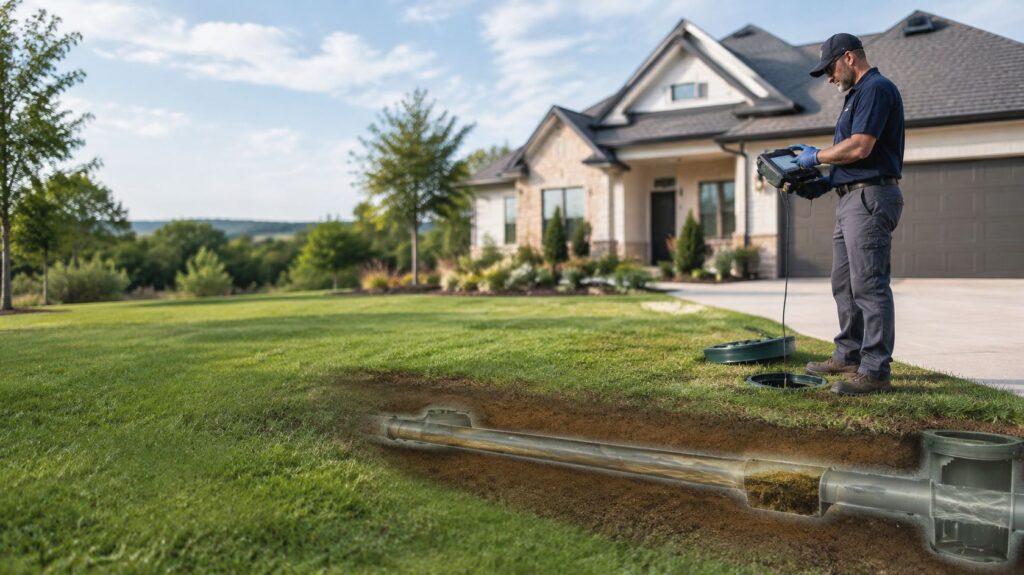
Professional sewer rooter services can help remove blockages and restore proper flow. A camera inspection may also help identify hidden pipe damage or root intrusion.
2. Excessive Sludge Buildup in the Septic Tank
Septic tanks separate solid waste from wastewater. Over time, sludge settles at the bottom while lighter materials form a scum layer on the surface.
If these materials accumulate excessively, they can interfere with normal system operation and potentially restrict the outlet or allow solids to move toward the drain field.
Professional septic tank pumping removes accumulated waste and helps maintain proper system function. Regular inspections can also identify excessive buildup before it causes more serious problems.
3. Clogged Septic Tank Effluent Filter
An effluent filter helps prevent solid particles from leaving the septic tank and entering the drain field. However, the filter can become clogged when waste accumulates over time.
A blocked filter may restrict wastewater movement and contribute to slow drainage or plumbing backups.
A qualified septic professional can inspect the filter, determine whether cleaning or replacement is necessary, and check other accessible system components.
4. Saturated or Failing Septic Drain Field
The drain field plays an important role in treating and dispersing wastewater into the surrounding soil. When the soil becomes saturated or the drain field develops problems, wastewater may not drain properly.
Excessive water usage, poor drainage conditions, and solids entering the drain field can contribute to these issues.
Common warning signs include standing water, unusually green grass, sewage odors, and slow drains. These symptoms require professional evaluation because drain field problems can become expensive if ignored.
5. Damaged Septic Pipes or Pump Problems
Cracked, crushed, or damaged underground pipes can restrict wastewater movement. In systems that use pumps, a malfunctioning pump or electrical component may also prevent wastewater from moving as intended.
A professional camera inspection can help locate pipe problems, while an experienced technician can assess pump operation and recommend appropriate repairs.
What Are the Warning Signs of Septic System Drainage Problems?
Slow drainage is not the only indication that your septic system may need attention. Watch for these common warning signs:
- Toilets, sinks, and showers draining slower than usual.
- Gurgling sounds coming from plumbing fixtures.
- Water backing up into bathtubs or showers.
- Unpleasant sewage odors inside or outside your property.
- Standing water or unusually wet areas near the drain field.
- Multiple plumbing fixtures experiencing drainage problems simultaneously.
If these symptoms continue or worsen, arrange a professional inspection instead of repeatedly using chemical drain cleaners. The underlying issue may involve your septic tank, sewer lines, or drain field.
How Can You Fix a Slow-Draining Septic System?
The right solution depends on what is causing the drainage problem. A professional assessment helps identify the issue and prevents unnecessary repairs.
1. Schedule a Professional Septic Inspection
A septic inspection helps evaluate accessible system components, including the tank, inlet, outlet, filters, and other relevant connections. It can help identify blockages, excessive sludge buildup, leaks, and damaged components.
2. Arrange Septic Tank Pumping When Needed
If excessive sludge and scum are affecting system operation, professional pumping may help restore normal tank conditions. The appropriate pumping schedule depends on tank capacity, household size, and water usage.
3. Clear Blocked Sewer and Septic Lines
Professional sewer rooter services can remove certain pipe blockages. Hydro jetting may also be appropriate for stubborn grease, sludge, and debris buildup. Camera inspections can help locate hidden problems before unnecessary excavation is performed.
4. Repair Damaged Pipes or Drain Field Components
Cracked pipes, damaged pumps, and other failing components may require professional repair or replacement. Serious drain field problems need a detailed assessment to determine the appropriate solution.
Never attempt to enter a septic tank or open its components without proper professional assistance. Septic tanks can contain dangerous gases and harmful wastewater.
How Can Georgetown Homeowners Prevent Septic Drainage Problems?
Preventive maintenance can help reduce the risk of unexpected septic problems. Homeowners can protect their systems by following a few simple practices:
- Avoid flushing wipes, paper towels, grease, and non-biodegradable materials.
- Repair leaking faucets and toilets to prevent excess wastewater entering the system.
- Avoid overwhelming the system with excessive water usage.
- Keep vehicles and heavy equipment away from the drain field.
- Schedule regular septic inspections and pumping based on professional recommendations.
- Address unusual odors, slow drains, and backups promptly.
These habits help protect your septic system, support proper wastewater treatment, and reduce the likelihood of expensive repairs.
When Should You Call a Professional Septic Company in Georgetown, TX?
You should contact a septic professional when multiple drains remain slow, toilets or showers repeatedly back up, sewage odors appear, or standing water develops near your drain field.
Persistent drainage issues may indicate a blockage, damaged pipe, malfunctioning pump, or more serious septic system failure.
Professional diagnosis is important because treating the wrong component may not solve the underlying problem.
Why Choose Zigco for Septic Repair in Georgetown, TX?
When septic drainage problems affect your home or business, working with experienced professionals can make a difference. Zigco provides licensed and insured septic services for residential and commercial properties throughout Georgetown and surrounding Central Texas communities.
The company’s services include septic inspections, repairs, pumping, sewer rooter services, camera inspections, hydro jetting, excavation, and septic system replacement.
With professional equipment and experience handling different septic system issues, Zigco helps property owners identify problems and find appropriate solutions. The company also advertises 24/7 emergency support and free quotes.
Frequently Asked Questions
Why Are All the Drains in My House Slow With a Septic System?
When multiple drains become slow simultaneously, the problem may involve a clogged main sewer line, excessive septic tank buildup, a blocked filter, or a drain field issue. A professional inspection can help identify the cause.
Can a Full Septic Tank Cause Slow Drains?
Yes. Excessive sludge and scum buildup can interfere with wastewater movement and contribute to drainage problems. Professional pumping may be necessary depending on the tank’s condition.
Will Septic Tank Pumping Fix Slow Drains?
Pumping can help when excessive waste buildup is contributing to the problem. However, it will not fix damaged pipes, blocked sewer lines, malfunctioning pumps, or failing drain fields.
How Much Does Septic Repair Cost in Georgetown, TX?
Repair costs depend on the underlying issue, labor, equipment, accessibility, and whether components need repair or replacement. A professional inspection and estimate can help determine the expected cost.
Contact Zigco for Professional Septic Services in Georgetown, TX
Slow drains should never be ignored, especially when they indicate a larger septic system problem. Identifying the cause early can help prevent sewage backups, property damage, and expensive repairs.
If your septic system is draining slowly, contact Zigco for professional septic inspection, repair, pumping, and sewer line services in Georgetown, TX.
Call today to discuss your septic concerns or request a free quote!
- Phone: (512) 931-2200
- Email: sales@Zigco.com
- Address: Georgetown, TX 78626
- Zigco on Google Maps
Let Zigco help you maintain a properly functioning septic system and protect your property with dependable professional service.