
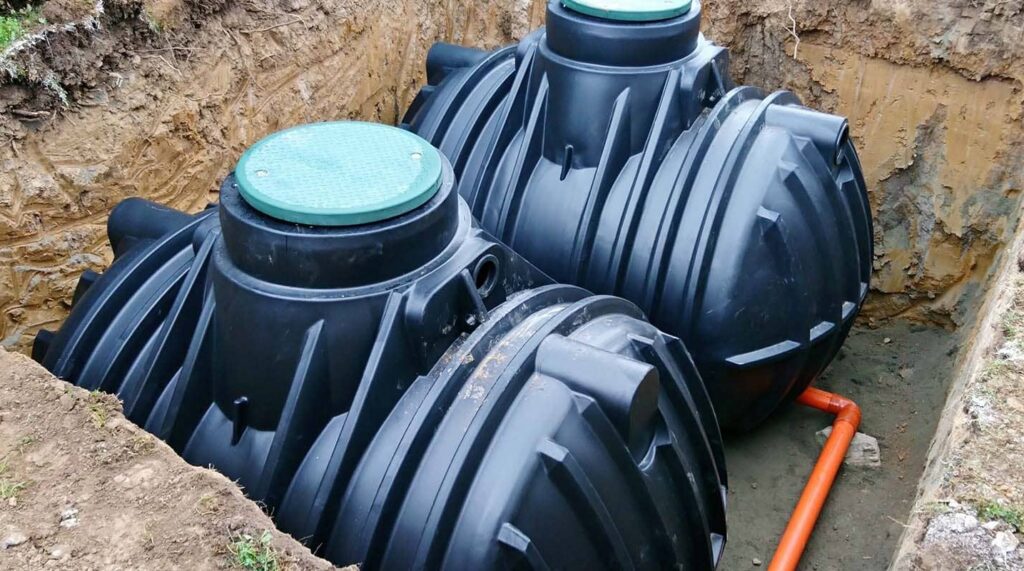
Building a home on a property without access to a municipal sewer system requires careful planning. A septic system provides an effective way to manage household wastewater, but successful installation depends on more than choosing a tank and digging a hole.
Before starting a project, homeowners should understand site and soil conditions, system design, permits, excavation, installation requirements, and long-term maintenance. Local conditions can also affect which type of septic system is appropriate for a property.
Zigco provides licensed and insured septic services for residential and commercial properties throughout Georgetown and Central Texas. From site evaluation and excavation to installation, inspection, repair, and maintenance, an experienced septic contractor can help homeowners plan a system that meets their property’s needs.
What Should You Consider Before Installing a Septic System?
The property itself is one of the most important factors to consider. Soil, drainage, slope, available space, and the property’s layout can all influence the design and placement of a septic system.
Evaluate Your Property and Soil Conditions
A professional site evaluation helps determine whether the property can support a septic system and what type of system may be appropriate.
Important factors include:
- Soil type and characteristics
- Soil permeability
- Property size and layout
- Drainage patterns
- Slope and topography
- Flooding considerations
- Distance from buildings and other features
- Available space for the drain field
Soil plays a particularly important role because the drain field needs suitable conditions for wastewater treatment and dispersal. A professional evaluation can identify potential limitations before installation begins.
Do You Need a Permit for Septic Installation in Texas?
In Texas, septic systems are generally regulated as On-Site Sewage Facilities (OSSFs). Most systems require authorization before construction, installation, repair, extension, or alteration.
Local permitting and inspection requirements can depend on the property, system design, and applicable jurisdiction. Homeowners should understand these requirements before excavation or construction begins.
Working with an experienced contractor can make the process easier. Zigco’s septic installation services include assistance with necessary permits and building-code requirements, helping homeowners address important requirements as part of the project.
How Is a Septic System Designed for a Georgetown Property?
There isn’t a single septic system that works for every property. The appropriate design depends on site-specific conditions and expected wastewater usage.
Factors That Affect Septic System Design
A professional may consider:
- Soil characteristics
- Number of people using the property
- Expected wastewater flow
- Property size
- Lot layout
- Drainage
- Slope
- Required setbacks
- Environmental conditions
- Available drain-field area
Depending on these factors, a property may be suitable for a conventional system or may require an alternative design.
The goal is to select and design a system that can effectively manage wastewater while complying with applicable requirements.
What Does the Septic Installation Process Involve?
Understanding the process can help homeowners know what to expect before work begins.
1. Site Evaluation
The first step is assessing the property. Soil, drainage, slope, available space, and other site conditions are reviewed to determine where the system can be installed.
2. System Design and Permitting
Once site conditions are understood, the appropriate system can be designed and the required permits and approvals addressed.
3. Excavation and Site Preparation
Installation typically requires excavation for the tank, piping, and other system components. The amount of excavation can vary depending on the property and system design.
Zigco also provides septic excavation services for residential and commercial projects, making excavation an important part of its broader septic capabilities.
4. Tank and System Installation
The septic tank and associated components are installed according to the approved design. Piping connects the property to the septic system, while the drain field provides an area for treated wastewater to disperse.
5. Inspection and Completion
After installation, required inspections can help verify that the system has been installed properly and meets applicable requirements. Homeowners should retain relevant documentation for future maintenance, repairs, or property transactions.
How Much Does Septic System Installation Cost in Georgetown, TX?
There isn’t a universal price for septic installation because every property is different.
Factors that may affect the overall cost include:
- Septic system type
- Tank size
- Soil conditions
- Property layout
- Excavation requirements
- Site accessibility
- Drain-field requirements
- Permitting
- Installation complexity
- Additional components or equipment
Instead of relying on a generic online estimate, homeowners should request a property-specific assessment. This provides a more realistic understanding of the work and potential costs involved.
How Long Does Septic Installation Take?
The installation timeline can vary significantly from one property to another. Site evaluation, soil conditions, system design, permitting, excavation, weather, installation complexity, and inspections can all affect the schedule.
A qualified contractor can provide a more accurate project timeline after evaluating the property and understanding the proposed system.
What Maintenance Does a New Septic System Need?
Installing a new system is only the beginning. Regular maintenance is essential for keeping a septic system operating properly and helping prevent avoidable problems.
Regular Septic Inspections
Professional inspections can help identify issues such as:
- Blockages
- Leaks
- Excessive sludge buildup
- Damaged components
- Drainage problems
- Other signs of system deterioration
Regular inspections can help homeowners identify potential issues before they become more serious.
Septic Tank Pumping
Solid waste gradually accumulates inside a septic tank. Pumping removes accumulated solids and helps maintain adequate tank capacity.
How frequently pumping is necessary depends on factors such as tank size, household usage, wastewater volume, and system conditions. Homeowners should follow professional maintenance recommendations rather than relying on a one-size-fits-all schedule.
Watch for Warning Signs
Homeowners should also pay attention to changes in system performance. Slow drains, foul odors, standing water, sewage backups, or septic alarms can indicate that professional attention may be necessary.
Addressing these warning signs early can help prevent a relatively manageable problem from developing into a more expensive repair.
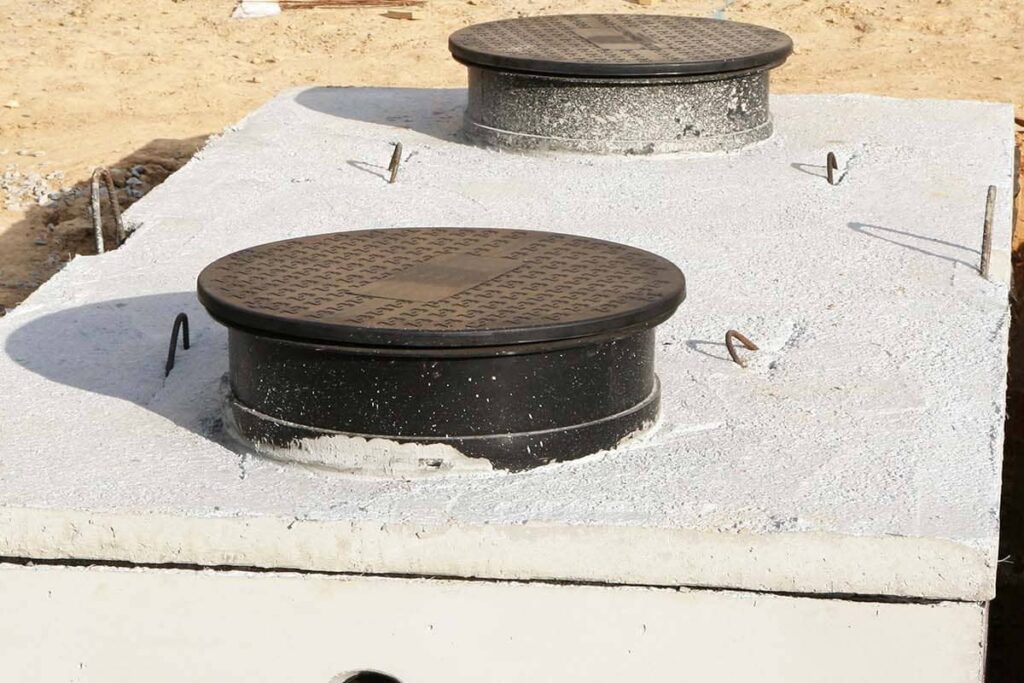
Why Choose Zigco for Septic System Installation in Georgetown, TX?
Planning a septic system requires an understanding of both the property and the installation process. Zigco offers a range of septic services that can support homeowners from initial planning through ongoing maintenance.
The company provides:
- Septic tank installation
- Septic excavation
- Septic inspections
- Septic repairs
- Septic tank pumping
- Septic tank cleaning
- Septic tank replacement
- Camera inspections
- Hydro jetting
- System maintenance programs
- Residential and commercial septic services
Zigco is licensed and insured and serves Georgetown and surrounding areas throughout Central Texas. Its broader experience with excavation, wastewater systems, inspections, and repairs allows homeowners to work with one company for multiple stages of septic system care.
Frequently Asked Questions About Septic Installation in Georgetown, TX
Do I need a septic system if my Georgetown property doesn’t have municipal sewer?
If municipal sewer service isn’t available, an onsite wastewater system may be necessary. The appropriate solution depends on the property’s site conditions, wastewater needs, and applicable Texas and local requirements.
What type of soil is needed for a septic system?
Soil characteristics affect how wastewater can be treated and dispersed. A professional site and soil evaluation can determine whether conventional or alternative septic options are appropriate for the property.
Does a septic system require a permit in Texas?
Most septic systems in Texas require authorization under the state’s OSSF regulations. Specific requirements can depend on the property and system. Homeowners should confirm applicable requirements before beginning installation.
How do I know what size septic tank I need?
Tank and system sizing depends on factors such as expected wastewater flow, property characteristics, system design, and applicable requirements. A qualified professional can determine the appropriate size for the project.
Can a septic system be installed on any property?
Not necessarily. Soil, property size, slope, drainage, setbacks, flood risks, and available space can all affect whether a septic system can be installed and which design is appropriate.
Get Professional Septic Installation Help in Georgetown, TX
A well-planned septic system starts with understanding the property before excavation begins. Proper site evaluation, system design, permitting, installation, and ongoing maintenance can all contribute to reliable long-term performance.
If you’re planning new construction or need a septic system for an existing Georgetown property, Zigco can help you understand the installation process and determine the services your project requires.
Zigco
- Phone: (512) 931-2200
- Email: sales@Zigco.com
- Address: Georgetown, TX 78626
- Zigco on Google Maps
Planning a new septic system? Contact Zigco for a professional assessment and free estimate for your Georgetown property.